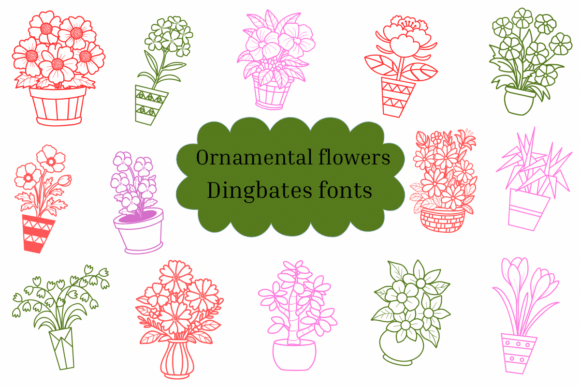
Ornamental Flowers: A Sketch-Style Dingbats Font for Creative Projects
More Than Just a Font: A Collection of Hand-Drawn Elements
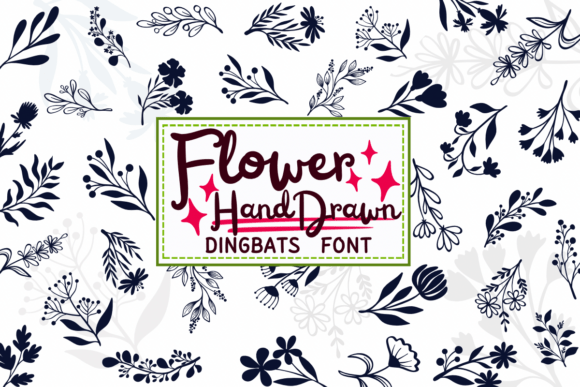
When you first encounter the Ornamental Flowers typeface, you might do a double-take. It doesn't contain letters or numbers in the traditional sense. Instead, it's a dingbats font—a specialized collection of symbols and illustrations. In this case, every character you type reveals a unique, hand-drawn floral ornament rendered in a charming sketch style. Think of it less as a typeface for setting paragraphs and more as a curated toolkit of decorative assets. The personality is distinctly organic, artistic, and slightly imperfect, which is precisely its strength. It carries the warmth of a pencil or pen on paper, making it feel personal and crafted rather than mass-produced.
This visual character is what makes Ornamental Flowers so versatile. The sketches can range from simple, elegant single blooms to intricate, intertwined botanical arrangements. The "sketch" quality means the lines aren't sterile or overly geometric; they have a natural flow and texture that can soften a design and add immediate visual interest. For a designer or creator, this translates to a creative font that does more than just display text—it actively contributes to the mood and storytelling of a project.
Where Floral Sketches Shine: Practical Applications
The true value of a dingbats font like this lies in its application. It’s a design asset that solves specific visual problems across a wide range of mediums.
Elevating Personal and Event Stationery
This is where Ornamental Flowers truly excels. For wedding invitations, save-the-dates, or event programs, the floral sketches can serve as elegant corner accents, decorative dividers, or even as a subtle, textured background pattern. The hand-drawn style lends a bespoke, artisanal feel that perfectly matches the sentiment of personal celebrations. It’s an immediate shortcut to achieving a high-end, custom look without the cost of commissioned illustration.
Enhancing Brand and Marketing Collateral
For small business owners and entrepreneurs, consistent visual identity is key. The elements from Ornamental Flowers can be used to create unique brand identity components. Imagine using a floral sketch as a standalone logo mark for a boutique florist, a bakery, or a wellness brand. In packaging design, these motifs can embellish labels, gift tags, or shopping bags, reinforcing a brand’s aesthetic of care and creativity. For social media graphics, a well-placed sketch can break up text-heavy posts, add a thematic touch to a quote, or frame a product photo, increasing engagement through visual appeal.
Supporting Digital and Print Publishing
In editorial design for blogs, magazines, or digital publications, Ornamental Flowers offers a way to create thematic section breaks, decorate pull quotes, or illustrate articles on topics like gardening, lifestyle, or DIY crafts. For web design, the symbols can be used as custom icons, bullet points, or decorative elements in a sidebar, adding personality to a site’s interface. Because it’s a font, these graphics are scalable and lightweight, making them practical for digital use.
Integrating Ornamental Flowers into Your Workflow
Adopting a new premium font—especially a symbolic one—requires a bit of strategy. Here’s how to think about using it effectively.
Evaluate Project Fit: First, consider the project's tone. The sketch-style of Ornamental Flowers communicates warmth, nature, creativity, and approachability. It’s an excellent fit for projects targeting audiences that value authenticity and artistry. It may be less suitable for corporate, tech, or formal contexts that demand a stricter, more minimalist visual hierarchy.
Master Font Pairing: This is critical. Since Ornamental Flowers is a display font used for decoration, it must be paired with highly readable typefaces for body text. A clean sans serif font like Helvetica or Open Sans provides a modern, neutral counterpoint. A traditional serif font like Garamond or Times New Roman can create a classic, elegant pairing. Avoid pairing it with another highly decorative or script font, as this will create visual chaos. The floral elements should complement, not compete with, your typography.
Understand Readability and Hierarchy: Never use Ornamental Flowers for body copy, headlines, or any text that needs to be read quickly. Its role is purely ornamental. Use it to draw the eye, frame key information, or add decorative flair. This supports visual hierarchy by clearly differentiating decorative elements from functional text, thereby improving overall readability and guiding the viewer’s attention.
Review Licensing and Styles: Before purchasing, always check the font’s licensing terms, especially if you plan to use it for commercial projects like client work or products for sale. Most commercial fonts have clear licensing structures. Also, explore the full character set. A well-designed dingbats font will include a variety of motifs and possibly different stylistic sets, giving you more creative flexibility.
In practice, treat Ornamental Flowers as you would any other design asset. Experiment with its characters in your design software. Scale them, rotate them, adjust their color and opacity. Layer them behind text or use them to create borders and patterns. By integrating it thoughtfully, you leverage its unique charm to enhance your work’s professionalism and emotional resonance, making your projects more memorable and engaging for your audience. It’s a specialized tool, but for the right project, it’s an invaluable one.