Chester: Where Modern Calligraphy Meets Timeless Elegance
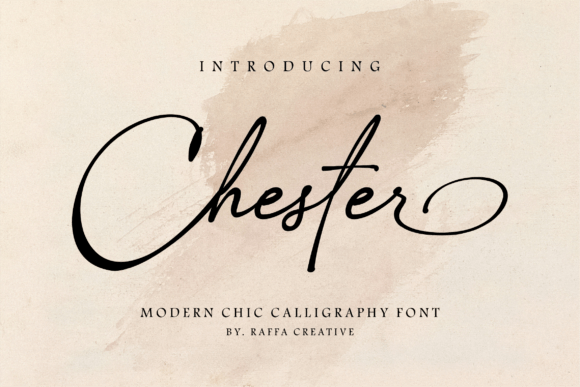
There's a particular quality in a typeface that can make a simple word feel like a signature. It’s the difference between a note and a letter, a label and a gift. Chester is a modern calligraphy font that captures this feeling perfectly. It’s not just a collection of letters; it’s a stylist with a clear point of view. The graceful letterforms and flowing strokes give it a handwritten feel that is both intimate and polished. Think of it as the typography equivalent of a perfectly tailored suit or a piece of fine stationery—it conveys effort, care, and a distinct sense of style. For designers and creators, this premium font is less a tool and more a collaborator, one that brings a chic, luxurious vibe to any project it touches.
The Chester Aesthetic: More Than Just Pretty Swashes
At its core, Chester is a display font. Its primary role is to command attention at larger sizes, making it ideal for headlines, logos, and short, impactful text blocks. The personality is unmistakable: confident, flowing, and sophisticated. The connections between letters feel natural, not forced, creating a rhythm that guides the eye. This is modern calligraphy at its best—it respects the tradition of hand-lettering but cleans it up for contemporary use. You’ll find it avoids the overly ornate or the childish, striking a balance that appeals to an adult audience looking for modern typography with character.
Its visual strengths lie in its versatility within that elegant niche. The typeface often includes stylistic alternates and ligatures, allowing you to customize the look. Need a more dramatic flourish on a capital letter? There’s likely an alternate for that. Want a smoother connection between certain letter pairs? The ligatures handle it seamlessly. This level of detail is what separates a generic script font from a thoughtful creative font like Chester. It’s designed not just to be used, but to be played with, giving you control over the final aesthetic.
Where Chester Truly Shines: Practical Applications
Understanding a font’s ideal environment is key to using it effectively. Chester’s elegant personality makes it a natural fit for specific types of projects where a human touch and a sense of luxury are desired.
- Branding and Logo Design: For businesses in the beauty, fashion, boutique hospitality, or artisanal product space, Chester can form the cornerstone of a brand identity. It works beautifully for logotypes, especially for brands whose name is short and distinctive. It whispers quality and personal service. However, it’s crucial to test it in context. A logo for a heavy machinery company would be a mismatch, but for a florist, a custom jewelry line, or a high-end café, it’s a perfect fit.
- Wedding and Event Stationery: This is Chester’s home turf. From save-the-dates and invitations to programs and thank-you cards, the font adds an immediate layer of romance and formality. Its handwritten font quality feels personal, while its sophistication ensures the design looks professional and print-ready.
- Packaging and Labels: On a shelf crowded with sans serif font minimalism, a product using Chester stands out. It’s excellent for product names on labels for cosmetics, gourmet foods, candles, or specialty beverages. It suggests a crafted, premium product inside. The key here is readability; ensure the font size is large enough for clear legibility on a physical package.
- Digital and Social Media: In the digital realm, Chester excels in social media graphics, particularly for quotes, announcements, or sale promotions where you want to stop the scroll. It’s also powerful in web design for hero section headlines or special feature call-outs. Always pair it with a clean, neutral body font (like a sans serif or a simple serif font) to maintain readability for longer text.
- Editorial and Publishing: For book covers, chapter titles, or magazine pull quotes, Chester adds a touch of narrative elegance. It suggests a story within the story, making it a great choice for romance novels, lifestyle magazines, or author branding.
Smart Implementation: Pairing, Testing, and Licensing
Choosing a beautiful font is only the first step. Using it effectively requires a bit of strategy. A common pitfall with display fonts like Chester is overuse. A page set entirely in a flowing script becomes tiring to read and loses its impact. The golden rule is contrast and hierarchy. Use Chester for the headline or the key phrase you want to emphasize, then let a workhorse serif font or sans serif font handle the supporting text. This creates a clear visual hierarchy that is both beautiful and functional.
Evaluating if Chester fits your project goes beyond liking how it looks. Ask yourself: Does this font’s personality align with my brand’s voice? If your brand is all about stark, minimalist, and technical precision, Chester might send a mixed message. If your brand is about warmth, craftsmanship, and personal attention, it’s a strong candidate. Always test the font with your actual content, not just the alphabet. Set your business name, a tagline, and a short paragraph to see how it performs in real-world context.
Before finalizing your decision, review the full character set. Does the commercial font license cover your intended use—be it a single logo, unlimited prints, or website embedding? Reputable foundries are clear about this. Check for the availability of numbers, punctuation, and extended Latin characters if you need them. The included stylistic sets are a bonus; explore them in your design software to see how they can add that final layer of customization to your logo design or packaging design.
Ultimately, Chester is more than just another script font in a crowded marketplace. It’s a deliberate stylistic choice. It’s for the designer who wants to inject personality without sacrificing professionalism, for the entrepreneur building a brand that feels human and approachable, and for the creator who knows that the right letterforms can transform a message from merely seen to truly felt. When used thoughtfully, it becomes a powerful piece of your design assets, helping to build recognition and connect with an audience on an aesthetic level that plain text simply cannot achieve.